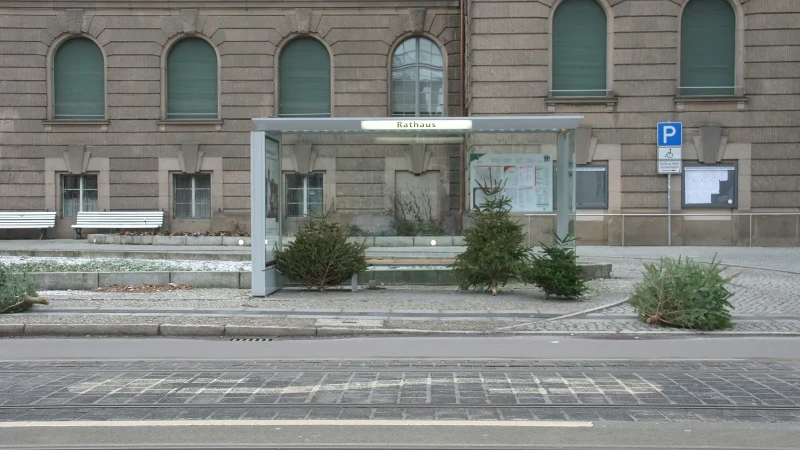
poetic reading
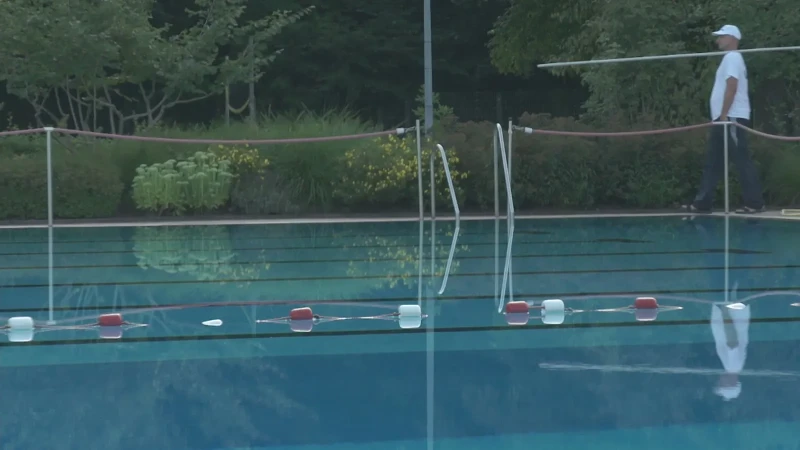
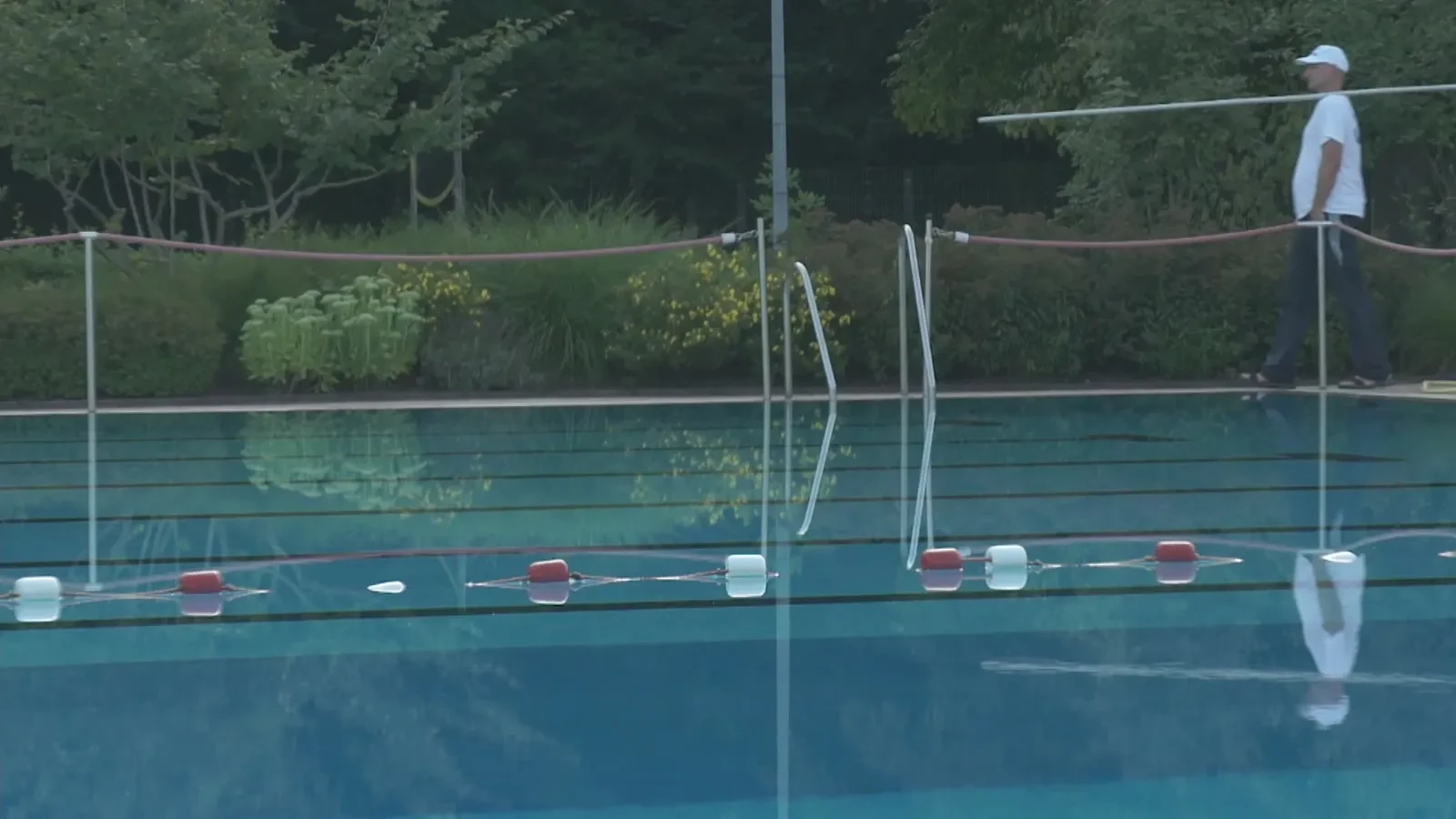
A lifeguard sneaks around the pool. Skeptical. Hesitantly. He is lonely and bored. He plays with his pool tools. Tired of the water. What is it about the element that usually looks inviting? A strong jump greets. Where are the guests of the outdoor pool? What caused the lack of floats? Is the water still okay. The lifeguard jumps at the end – but we don't see the plunge.
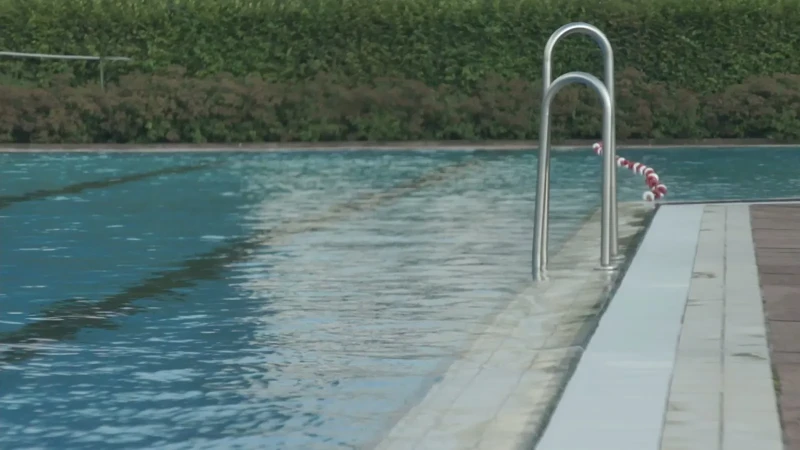
Objective description
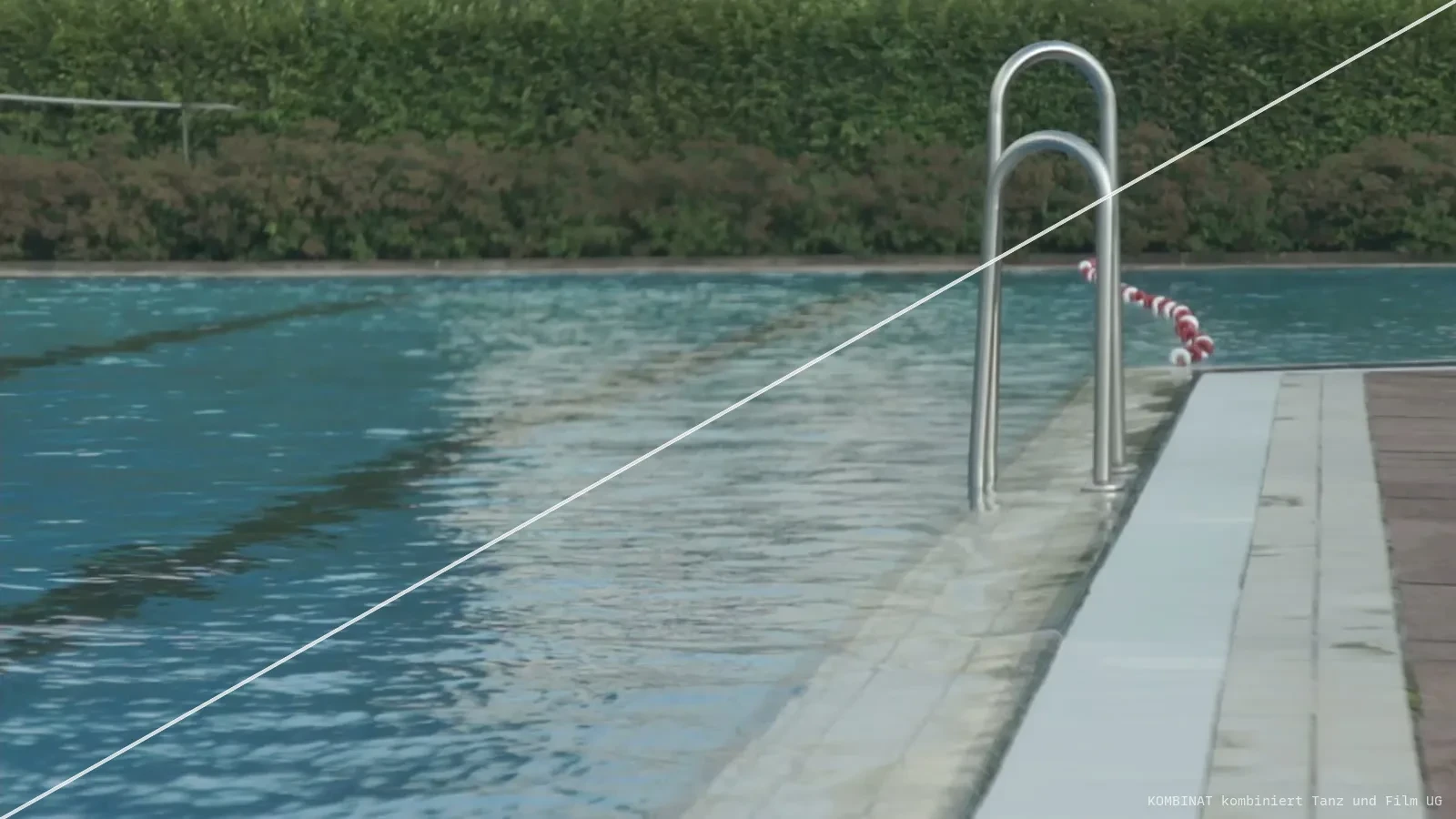
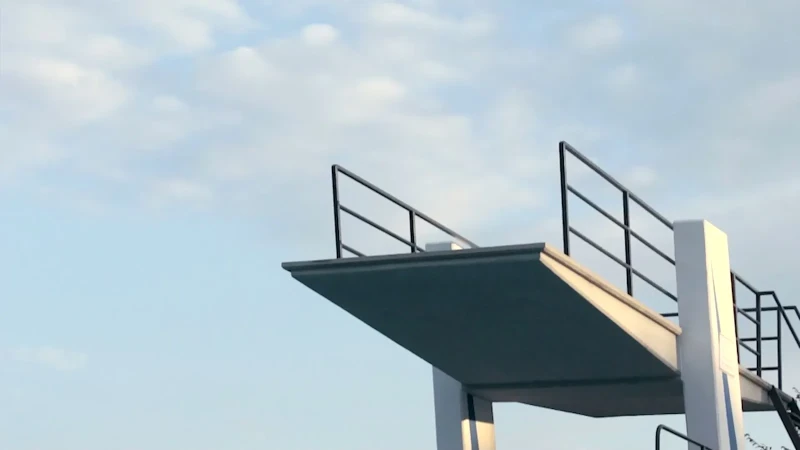
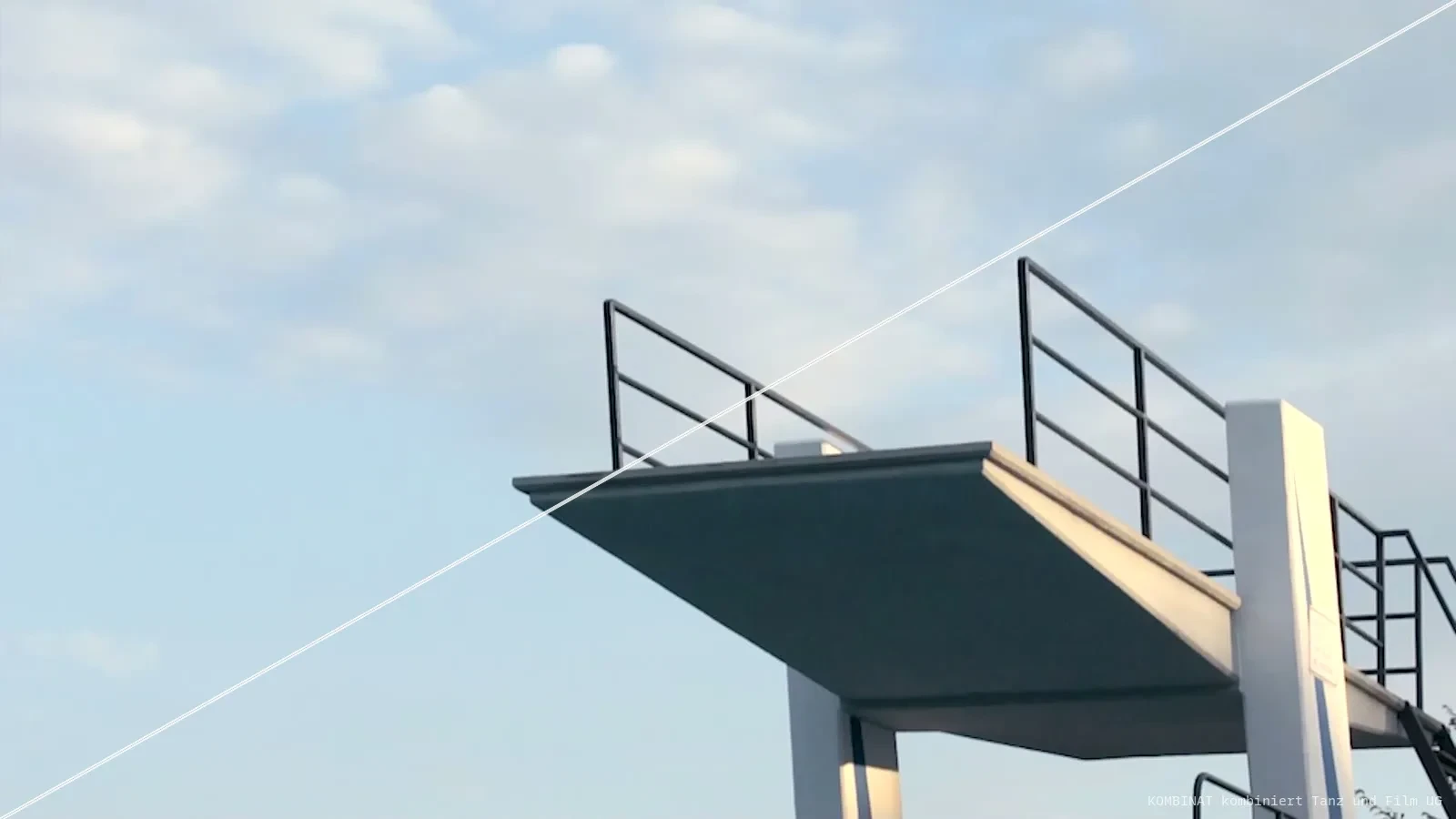
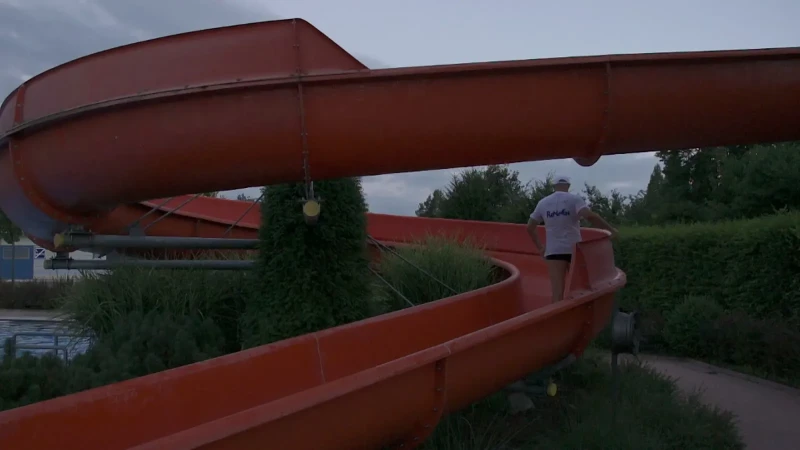
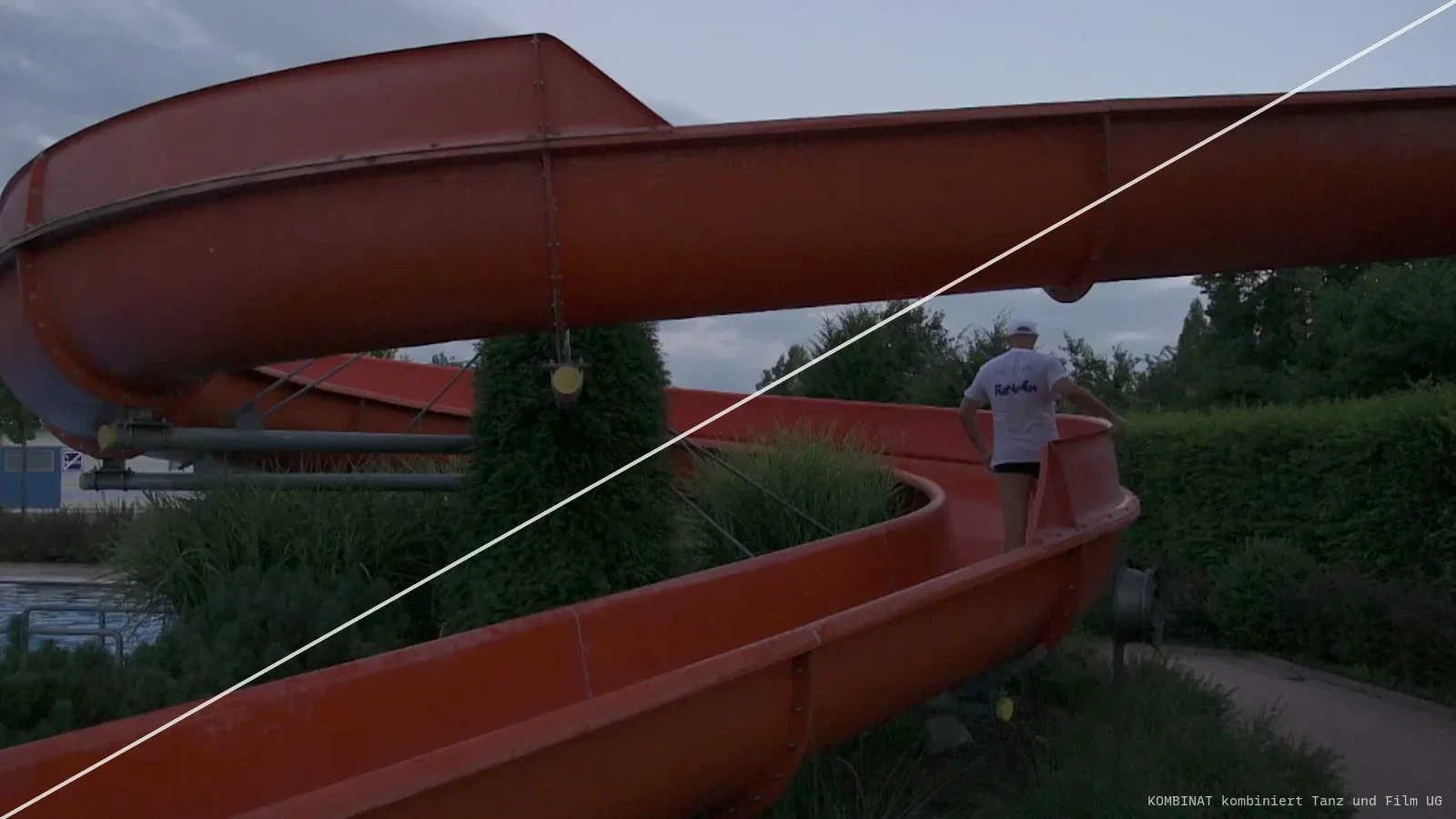
Summer at the outdoor pool. No guests in the water. Only the wind ripples the surface. A lifeguard sneaks along the edge of the pool. He tests the slide, climbs back up. Then he stands on the tower, making dancer-like movements before finally daring to jump. His immersion remains off-screen.
Plausible association
An empty open-air pool in midsummer looks peaceful, yet the lifeguard’s slow, deliberate patrol turns the calm into something uneasy. The water, rippled only by the wind, seems tired of waiting, and his repeated checks and pauses make the ordinary feel suspicious. The scene asks why the space meant for others is abandoned, what unseen threat—or inner fear—drives his hesitation, and how vigilance can turn stillness into tension. It raises quiet questions about isolation, the weight of repetition, and the fragile boundary between perception and reality, showing that even in serene surroundings, uncertainty and doubt can quietly dominate. - unease - fear of danger - routine - leisure activity organized into timeslots
Artistic intention
Keeping an observational distance, the film draws attention to the everyday, underlining its inherent value by presenting it as unnatural—as something deliberate. The presence of the pool, the architecture for leisure activity and fun, the outdoor setting for people to feel themselves, to enjoy their physicality in this world, to sense the water carrying them. By showing what is absent, the film unfolds a concern for these public structures, where we interact on different terms.
![Positions in Midair [1]](https://neop.uber.space/media/pages/catalogue/positions-in-midair-1/afbb678032-1778414550/o-pfm-007-luise_klepper-fight-1-800x.webp)
![Positions in Midair [2]](https://neop.uber.space/media/pages/catalogue/positions-in-midair-2-2025-imported-1/d32c467ec4-1778414773/o-pfm-008-luise_klepper-react-1-800x.webp)
![Positions in Midair [3]](https://neop.uber.space/media/pages/catalogue/positions-in-midair-3-2025-imported-1/248b5c8afd-1778415263/o-pfm-009-luise_klepper-weltall-1-800x.webp)